
 Arunaagiri
In the agricultural sector, strong sales skills are just as essential as high-quality seeds, fertilizers, or equipment. While the science behind agricultural products is important, the ability to communicate value, build trust, and close deals directly impacts a company’s growth. This is where sales training programs become a powerful investment for agriculture companies.
1. Understanding the Modern Farmer
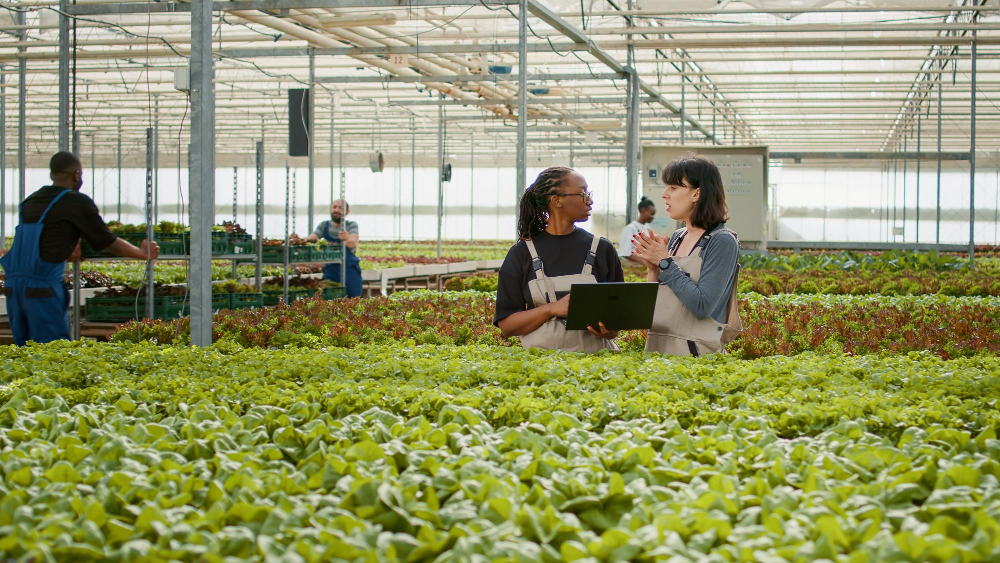
Today’s farmers are not just cultivators; they are informed decision-makers who research products, compare options, and look for solutions that fit their specific needs. Sales teams must understand the modern farmer’s challenges—from rising input costs to unpredictable weather patterns—and tailor their approach accordingly. A well-structured sales training program equips teams to listen actively, ask the right questions, and position their offerings as practical solutions.
2. Building Trust in a Relationship-Driven Industry
Agriculture sales are rarely one-off transactions. They are built on relationships that span years, sometimes generations. Farmers prefer doing business with people they know, like, and trust. Sales training focuses on relationship-building skills, ensuring that representatives can nurture long-term partnerships rather than push for short-term wins.
3. Communicating Technical Information Clearly
Agricultural products often have technical aspects—soil compatibility, yield improvement statistics, pest resistance, and more. If these benefits aren’t explained in a simple, relatable way, the value can be lost on the customer. Training helps sales teams bridge the gap between technical knowledge and clear communication, making it easier for farmers to see how a product will directly benefit them.
4. Adapting to Seasonal and Market Trends
Unlike many other industries, agriculture has distinct sales cycles driven by planting and harvesting seasons. Sales professionals must plan their efforts to match these cycles while staying alert to changing market prices and commodity demands. Sales training provides strategies for timing pitches, handling objections, and capitalizing on peak buying periods.
5. Increasing Productivity and Closing Rates
A trained sales team works more efficiently—spending time on qualified leads, using effective follow-up techniques, and closing more deals without increasing pressure on customers. For agriculture companies, this means better coverage in rural areas, improved brand reputation, and a measurable boost in revenue.
6. Staying Ahead in a Competitive MarketThe agricultural sector is seeing increased competition from local and international suppliers. Continuous sales training ensures teams are prepared with fresh strategies, negotiation skills, and the confidence to stand out in a crowded marketplace.
For agriculture companies, sales training is not just about teaching techniques—it’s about empowering teams to become trusted advisors to their customers. When salespeople can connect genuine product value with the farmer’s needs, they’re not just selling—they’re helping to sustain livelihoods and contribute to the growth of the agricultural community.










Add comment